Guides to sound, noise and hearing
A meter only gives you a number. These guides explain what the number means: how decibels add, why your phone reads differently from a pro meter, when noise starts to harm hearing, and what U.S. workplace rules and WHO guidelines say. Each one cites the agency or study behind its figures (NIOSH, OSHA, NIDCD, WHO, EPA) and was written by Teodor Vance.
Decibels and measurement
 What Is a Decibel? The Log Scale in Plain Terms
What a decibel really measures: the log scale, 10·log10 vs 20·log10, the 20 µPa reference, and why +3 dB doubles energy but +10 dB sounds twice as loud.
 dBA vs dBC: A, C and Z Weighting Explained
What A, C and Z frequency weighting mean, how IEC 61672-1 defines them, when to use dBA or dBC, and how peak, Lmax and Leq readings differ.
 Common Noise Levels: Decibels of Everyday Sounds
Approximate decibel levels of everyday sounds, from conversation to sirens and fireworks, based on NIDCD and CDC/NIOSH figures, plus how to read them.
- Calibrate a Phone Sound Meter: Step-by-Step Guide
How to calibrate a phone or laptop sound meter against a Class 1 or 2 meter or a 94 dB calibrator, set the Reatims offset, and know its limits.
 Smartphone Sound Meter Accuracy: What NIOSH Found
How accurate are phone and browser sound meters? What NIOSH's 2014 and 2016 studies found, why Android varies more, and why browser readings are estimates.
 LUFS Loudness Explained: LUFS vs. LKFS vs. dB SPL
What LUFS and LKFS measure, how ITU-R BS.1770 works, the EBU R128 and ATSC A/85 targets, common streaming levels, and why LUFS is not the same as dB SPL.
Hearing health and safety
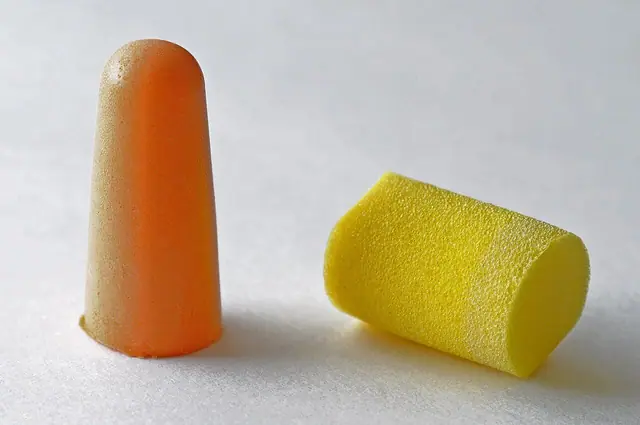 Noise-Induced Hearing Loss: How to Prevent It
How loud noise damages hearing, what NIDCD and CDC/NIOSH advise, the louder-longer-closer rule, tinnitus warning signs, and when to see an audiologist.
 Safe Listening Levels for Headphones and Concerts
WHO safe listening levels for headphones and live music: the 80 dB weekly allowance, the 100 dB venue limit, the 60/60 rule, and how to use earplugs.
 Kids Hearing Safety: Toys, Headphones and Loud Places
Practical ways to protect children's hearing from loud toys, headphones, and noisy events, based on NIDCD guidance and the WHO-ITU safe listening standard.
- Hearing Protection NRR Explained: What the Number Means
What the Noise Reduction Rating on earplugs and earmuffs means, how OSHA derates it in the field, and how to pick and fit protectors that actually work.
Work, home and neighbors
 OSHA Noise Rules: PEL, Action Level and NIOSH REL
OSHA's 90 dBA PEL and 85 dBA action level vs the NIOSH 85 dBA REL, the 5 dB and 3 dB exchange rates, side-by-side time tables, and why they differ.
 Noise and Sleep: WHO Night Noise Limits Explained
WHO night noise guideline values for road, rail and aircraft, the 30 dB bedroom target, how to measure your bedroom, and practical ways to sleep quieter.
 Noisy Neighbors: How to Document Noise Properly
How to log neighbor noise with a sound meter (date, time, Leq, max, duration, CSV), talk to neighbors, involve landlords or HOAs, and use mediation.
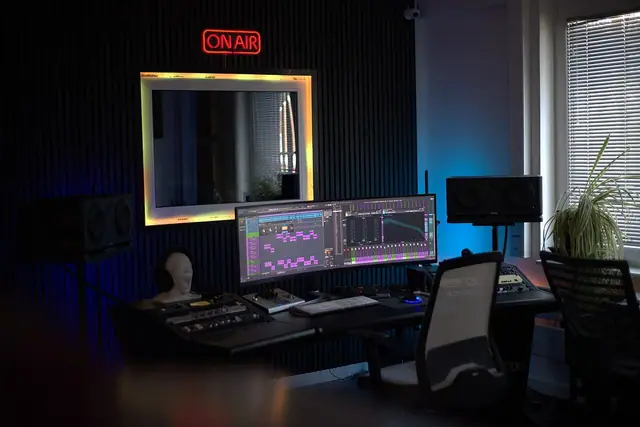 Soundproofing Basics: Mass, Decoupling, Seals and STC
How soundproofing really works: mass, decoupling, and sealing gaps, what STC ratings mean, realistic decibel gains, and how to measure before and after.
Looking for a specific place? See noise levels by setting, or check numbers with the calculators.