Noise and Sleep: WHO Night Noise Limits Explained
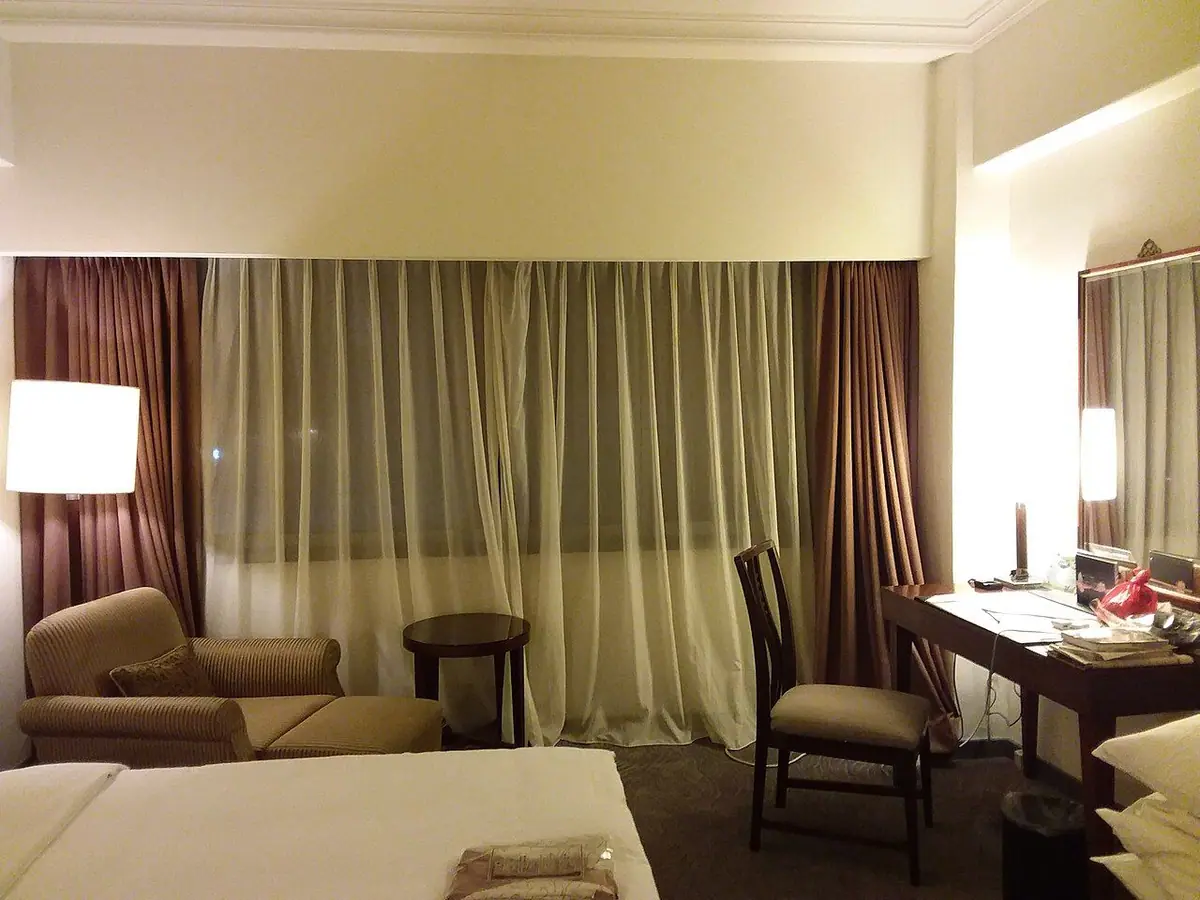
For good sleep, the World Health Organization suggests keeping steady bedroom noise at or below about 30 dB LAeq and avoiding individual noise events above 45 dB LAmax. Its 2018 guidelines go further for specific sources measured outside the home, recommending night levels below 45 dB for road traffic, 44 dB for rail and 40 dB for aircraft. Most homes on busy streets exceed at least one of these, so measuring and reducing what reaches the bedroom is worth the effort.
Why night noise matters
Noise affects sleep even when it does not fully wake you. Sounds can shift you into lighter sleep stages, cause brief arousals you will not remember, and raise heart rate. The result is sleep that feels less restful.
The WHO treats sleep disturbance as one of the main health effects of environmental noise, which is why its guidelines set separate night values. These levels are far below anything that harms hearing; the NIDCD notes that sounds at or below 70 dBA are unlikely to cause hearing loss. Sleep is affected at much lower levels than hearing is.
The WHO 2018 guidelines
The WHO Environmental Noise Guidelines for the European Region, published in 2018, give source-specific recommendations based on systematic reviews of health evidence. Though written for Europe, they are widely used as a reference elsewhere.
Recommended levels by source
| Source | Lden (whole day) | Lnight (night) |
|---|---|---|
| Road traffic | below 53 dB | below 45 dB |
| Railway | below 54 dB | below 44 dB |
| Aircraft | below 45 dB | below 40 dB |
The guidelines also include values for wind turbines (Lden) and leisure noise, but they are less relevant to the bedroom.
Aircraft has the strictest values, reflecting evidence that aircraft noise tends to cause more annoyance and sleep disturbance than road or rail noise at the same average level.
What Lden and Lnight mean
These are long-term average levels, usually expressed as annual averages and assessed outside, at the most exposed facade of a home.
- Lnight is the A-weighted equivalent level over the 8-hour night period, typically 23:00 to 07:00.
- Lden (day-evening-night) is a 24-hour average with penalties: +5 dB for evening noise and +10 dB for night noise. A sound at night “counts” as if it were 10 dB louder.
Because they are outdoor yearly averages, you cannot measure a true Lnight with one evening of readings. You can get a useful snapshot, though.
The WHO 1999 bedroom values
The older WHO Guidelines for Community Noise from 1999 give indoor targets that are easier to check yourself:
- 30 dB LAeq for continuous background noise in the bedroom during the sleep period.
- 45 dB LAmax for individual noise events, such as a passing truck or a slammed door. Repeated events above this level are likely to disturb sleep.
The two numbers capture different problems. A steady hum of 35 dB from a fan may bother some people less than a quiet room interrupted by occasional 55 dB motorcycles. The average can look fine while the peaks wreck the night.
How to measure your bedroom
You can get a reasonable picture with the Reatims sound meter running overnight on a phone or laptop.
- Place the device near the head of the bed, at pillow height, away from walls and with the microphone unobstructed.
- Close the windows and doors as you normally would for sleep.
- Turn off your own noise sources, such as a TV or fan, unless you want to include them.
- Record from bedtime to morning. Note the overall Leq and the highest Lmax values.
- Repeat on a few different nights, including a weekday and a weekend.
Compare the results with the 30 dB LAeq and 45 dB LAmax values. Phone microphones are estimates and struggle at very low levels, often reading higher than a calibrated meter in a quiet room. If your device reads 32 dB in silence, that may be its noise floor rather than your room. Our guide on smartphone sound meter accuracy explains the limits.
Look at what kind of noise it is
Note when the peaks happen and what causes them. Early-morning delivery trucks, a neighbor’s late-night TV, and a refrigerator compressor need very different fixes. Low-frequency rumble and higher-pitched sounds also call for different treatments.
Practical ways to sleep quieter
Deal with the weakest path
Sound takes the easiest route in. In most bedrooms that is the window, followed by gaps around doors and vents.
- Seal gaps around windows and doors with weatherstripping.
- Add a door sweep to the bedroom door.
- Use heavy, dense curtains for some help with mid and high frequencies.
- Consider secondary glazing or laminated acoustic glass for road or rail noise.
Our soundproofing basics guide covers what works and what is mostly marketing.
Rearrange the room
If possible, sleep in the room farthest from the street or the noisy neighbor. Move the bed away from the shared wall or the window. Even a few feet can help with sounds coming through one surface.
Use masking sound
A steady background sound makes intermittent noises less noticeable, because the jump from background to event is smaller. Many people use a fan, an air purifier, or pink or brown noise. You can try different colors with the noise generator.
Keep masking sound modest. The aim is to soften peaks, not to cover everything with loud noise.
Earplugs
Soft foam earplugs are cheap and can reduce noise noticeably if inserted correctly. Some people find them uncomfortable at first; trying a few sizes and materials helps.
When noise comes from neighbors
If the problem is people rather than traffic, a log of dates, times and levels makes conversations with neighbors, landlords or HOAs far more productive. See documenting noisy neighbors for a step-by-step approach.
This guide is general information, not medical advice. Talk to a doctor if you have persistent sleep problems.
FAQ
How quiet should a bedroom be for sleep?
The WHO 1999 Guidelines for Community Noise suggest that continuous background noise in a bedroom should not exceed 30 dB LAeq, and that individual events above 45 dB LAmax should be avoided.
What is the WHO night noise limit for road traffic?
The WHO 2018 Environmental Noise Guidelines for the European Region recommend reducing road traffic noise below 45 dB Lnight at night and below 53 dB Lden over the whole day.
What is the difference between Lnight and Lden?
Lnight is the average outdoor level over the 8-hour night. Lden is a 24-hour average that adds a 5 dB penalty to evening noise and a 10 dB penalty to night noise.
Does white noise help you sleep?
A steady sound can mask short, irregular noises such as traffic or voices, which some people find helps. Keep it at a modest level rather than turning it up to cover everything.