Common Noise Levels: Decibels of Everyday Sounds
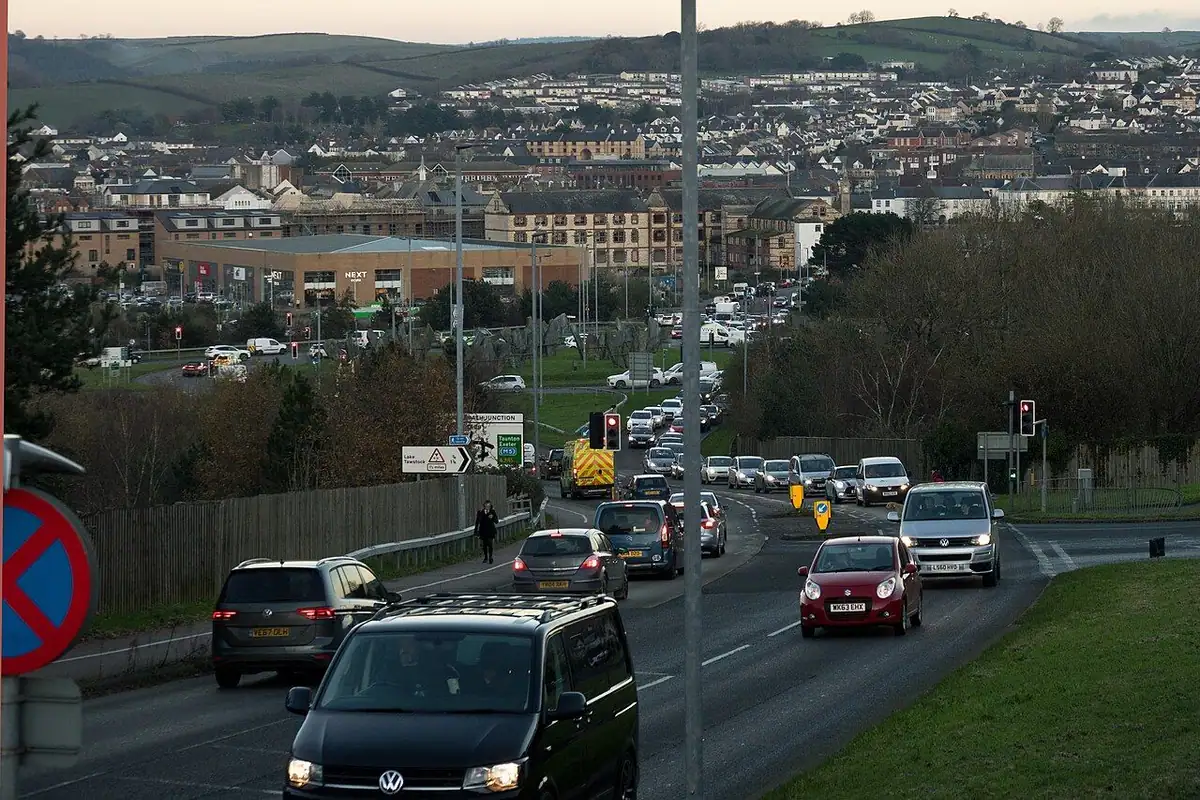
Everyday sounds span a huge range: normal conversation is about 60–70 dBA, lawn mowers and power tools reach roughly 85–90 dBA, and sirens can top 110 dBA. Long or repeated exposure at or above 85 dBA can damage hearing. All of these figures are approximate, and the level you actually experience depends on the source, the room and, above all, your distance from it.
Everyday noise levels at a glance
The table combines figures published by the National Institute on Deafness and Other Communication Disorders (NIDCD) and by NIOSH, part of the CDC. Where a source gives a range, the range is shown as published.
| Sound | Approximate level | Source |
|---|---|---|
| Normal conversation | 60–70 dBA | NIDCD |
| Movie theater | 74–104 dBA | NIDCD |
| Printing presses, lawn mowers, vacuums, power tools | around 85–90 dBA | NIOSH |
| Motorcycles and dirt bikes | 80–110 dBA | NIDCD |
| Headphones at maximum volume, sporting events, concerts | 94–110 dBA | NIDCD |
| Bulldozers, chain saws, ambulance sirens, bars and nightclubs, large sporting events | 95 dBA or more on average | NIOSH |
| Sirens | 110–129 dBA | NIDCD |
| Fireworks show | 140–160 dBA | NIDCD |
For a broader, scrollable version with more categories, see the Reatims decibel chart.
Why these numbers are approximate
Treat every published noise level, including the ones above, as a typical range rather than a fixed property of the source. Several things move the number.
Distance
Distance is the biggest factor. Outdoors, sound from a compact source drops about 6 dB each time you double your distance. A mower that reads 90 dBA at the operator’s ears may read closer to 70 dBA across the yard.
The room
Hard surfaces such as tile, glass and concrete reflect sound and keep levels high. Carpet, curtains and soft furniture absorb some of it. The same vacuum is louder in a bare hallway than in a furnished living room.
The specific source
Equipment varies by model, age and condition. A worn muffler, a dull chain or a loose panel can add several decibels. Music levels at concerts and in clubs depend entirely on the venue and the sound engineer.
Measurement method
A single “how loud is it” number hides choices: A or C weighting, fast or slow response, average (Leq) or maximum (Lmax). Charts usually quote A-weighted levels, which is what the hearing guidance uses. Our explainer on dBA vs dBC weighting covers the differences.
Reading the chart for hearing risk
The NIDCD says that sounds at or below 70 dBA are unlikely to cause hearing loss, even after long exposure, while long or repeated exposure at or above 85 dBA can cause it. The louder the sound, the less time it takes.
That gives three practical bands:
- Below about 70 dBA: conversation, background music, most household life. Not a hearing risk.
- About 85 dBA and up: busy kitchens, power tools, loud traffic up close. Time starts to matter.
- Above about 100 dBA: concerts, sirens, chain saws, loud headphones. Safe time shrinks to minutes.
The voice test
NIOSH offers a useful rule with no equipment needed. At about 85 dBA you often have to raise your voice to be heard by someone 3 feet away. At about 95 dBA or more, you likely have to shout. If you have to shout to talk to someone at arm’s length, the noise is probably loud enough to harm your hearing with enough exposure.
Other warning signs NIOSH lists: your ears ring or sounds seem dull after you leave the noisy place, or you need to turn the car radio up compared with before.
How time changes the picture
A level on its own does not tell you whether a sound is dangerous. Duration matters just as much.
The NIOSH recommended exposure limit is 85 dBA averaged over an 8-hour day, with a 3 dB exchange rate. Every 3 dB increase halves the recommended time:
| Level | NIOSH recommended maximum per day |
|---|---|
| 85 dBA | 8 hours |
| 88 dBA | 4 hours |
| 91 dBA | 2 hours |
| 94 dBA | 1 hour |
| 100 dBA | 15 minutes |
Those are occupational guidelines, but they are a useful yardstick for loud hobbies and events too. OSHA’s legal limits for employers are less strict; our guide to OSHA and NIOSH workplace noise rules explains why. To work out your own daily dose from several activities, use the noise exposure calculator.
Measuring the sounds around you
Published charts are a starting point. The levels that matter are the ones in your own home, car and workplace.
You can measure them with the Reatims sound meter in a browser. A few tips for useful readings:
- Hold the phone or laptop where your ears would be, not right next to the source.
- Measure for at least 30–60 seconds and note the Leq (average), not just the momentary number.
- Keep your hand and case away from the microphone opening.
- Repeat at different distances to see how fast the level drops.
Phone and laptop microphones are not certified instruments. Their readings are estimates that can be off by several decibels, especially at very low or very high levels. They are good for comparisons, such as “the dishwasher is quieter than the vacuum,” and less reliable for absolute numbers.
Quick takeaways
- Conversation sits around 60–70 dBA. Power tools and mowers reach roughly 85–90 dBA. Concerts and max-volume headphones can hit 94–110 dBA.
- Every published level is approximate. Distance, room and equipment all change it.
- Above 85 dBA, exposure time matters; above 100 dBA, safe time is very short.
- If you have to shout to be heard at 3 feet, protect your hearing or step away.
This guide is general information, not medical advice.
FAQ
How many decibels is normal conversation?
The NIDCD lists normal conversation at about 60–70 dBA. The exact figure depends on how loudly people speak and how far apart they are.
At what decibel level does noise become harmful?
According to the NIDCD, sounds at or below 70 dBA are unlikely to cause hearing loss, while long or repeated exposure at or above 85 dBA can. The louder the sound, the less time it takes.
Why do decibel charts give ranges instead of one number?
The same kind of source varies a lot by model, condition, room and distance. A lawn mower measured at the handle reads much higher than one heard from across the yard.
How loud is 85 dBA in everyday terms?
NIOSH says that at about 85 dBA you often need to raise your voice to be heard by someone 3 feet away. Lawn mowers, vacuums and power tools can reach roughly 85–90 dBA.