Noise-Induced Hearing Loss: How to Prevent It
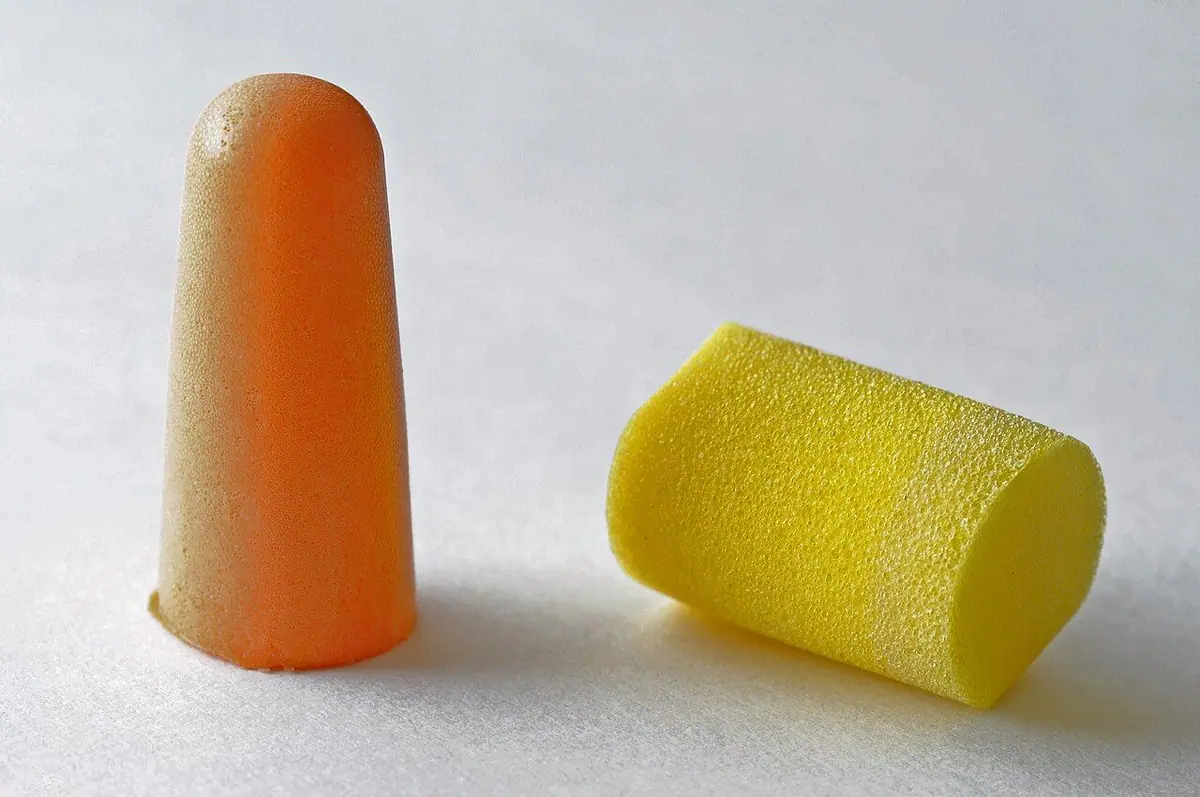
Noise-induced hearing loss is preventable: keep sound levels down, limit how long you are exposed, and put distance or hearing protection between you and loud sources. The NIDCD puts it simply: avoid noises that are too loud, too close, or last too long. Once inner-ear hair cells are destroyed they do not grow back, so the damage you avoid today is the hearing you keep.
How noise damages hearing
Sound travels down the ear canal, vibrates the eardrum and the three small middle-ear bones, and sets fluid moving inside the cochlea. Sensory hair cells in the cochlea turn that motion into electrical signals for the brain.
Loud sound overworks those hair cells. According to the NIDCD, most noise-induced hearing loss comes from the damage and eventual death of hair cells, and unlike in birds and amphibians, human hair cells do not regrow.
Damage can happen two ways:
- Long or repeated exposure to loud sound, such as a noisy workshop or regular loud concerts. This builds slowly and is often not noticed until it is advanced.
- A single intense impulse, such as a gunshot or explosion, which can cause immediate, permanent loss and can even rupture the eardrum.
The NIDCD also notes that sometimes a temporary hearing loss after loud noise disappears within 16 to 48 hours, but research suggests there may still be residual long-term damage. “My hearing came back” is not the same as “no harm done.”
Louder, longer, closer
Three factors decide how much a sound can hurt you. Changing any one of them reduces the risk.
Louder
The NIDCD says sounds at or below 70 dBA are unlikely to cause hearing loss even after long exposure, while long or repeated exposure at or above 85 dBA can. Each step up in level makes it worse quickly, because the decibel scale is logarithmic. Our guide to what a decibel is explains why 10 dB is ten times the energy.
Longer
Duration matters as much as level. NIOSH recommends limiting exposure to 85 dBA averaged over 8 hours and halving the time for every 3 dB increase. At 100 dBA, that is about 15 minutes a day.
| Level | NIOSH recommended maximum |
|---|---|
| 85 dBA | 8 hours |
| 91 dBA | 2 hours |
| 97 dBA | 30 minutes |
| 100 dBA | 15 minutes |
You can plug your own day into the noise exposure calculator to see how separate activities add up.
Closer
Distance is free hearing protection. Outdoors, every doubling of distance from a compact source cuts the level by about 6 dB. Stepping back from a concert speaker stack or a running engine makes a real difference. The NIDCD advice is direct: if you cannot reduce the noise or protect yourself from it, move away from it.
Practical prevention
The NIDCD’s prevention list is short and useful:
- Know which noises can cause damage.
- Wear earplugs or other protective devices during loud activities.
- If you cannot reduce the noise or protect yourself, move away from it.
- Be alert to hazardous noise around you.
- Protect the ears of family members who cannot protect their own.
- Have your hearing tested if you think you might have hearing loss.
Know your levels
You cannot manage what you do not measure. A quick check with the Reatims sound meter tells you whether your shop, gym class or commute is in the hazardous range. Phone readings are estimates, but they are good enough to flag “this is clearly over 85.”
Without a meter, use the NIOSH voice test. At about 85 dBA you usually have to raise your voice to talk to someone 3 feet away. At 95 dBA or more, you likely have to shout.
Use hearing protection properly
Foam earplugs, reusable flanged plugs, musician’s plugs and earmuffs all work if they fit and are worn the whole time. Roll foam plugs thin, insert them deep enough, and hold them while they expand. Removing protection for even a short time in very loud noise lets a large share of the dose through.
The Noise Reduction Rating on the package is measured in a lab and overstates real-world protection. Our guide to hearing protection and NRR shows how to estimate what you actually get.
Turn down personal audio
Headphones and earbuds put the source right at your ear. The WHO Make Listening Safe initiative estimates that more than 1 billion young people aged 12–35 are at risk of hearing loss from recreational exposure to loud sound. Simple habits help: keep volume moderate, use noise-canceling headphones so you do not crank volume over background noise, and take breaks.
Take quiet breaks
Ears benefit from rest after loud exposure. After a concert, a loud shift or a day with power tools, give your ears a quiet evening rather than adding more loud sound.
Tinnitus: an early warning
The NIDCD defines tinnitus as the perception of sound with no external source, commonly ringing, but also buzzing, roaring, hissing or humming. Surveys estimate that 10 to 25% of adults have it.
Noise exposure is one of the main links. Many people notice tinnitus after loud work, sporting events or concerts. It may fade over time, but it can also become chronic, which the NIDCD defines as lasting three months or longer. There is no cure, though sound therapy, hearing aids and behavioral therapies can reduce symptoms.
Treat ringing after loud sound as a sign that the exposure was too much. Next time, wear protection, stand farther back or leave earlier.
When to get a hearing test
Signs worth acting on:
- Trouble following conversation in restaurants or groups.
- Turning the TV or phone volume up more than you used to.
- Ringing or muffled hearing that lasts after loud noise.
- Asking people to repeat themselves often.
An audiologist is the hearing specialist to see. A full hearing evaluation measures how well you hear across frequencies and gives a baseline you can compare against later. If you work in loud noise, ask your employer about audiometric testing too.
A sudden change in hearing, especially in one ear, should be seen by a doctor promptly rather than waited out.
A browser test such as the hearing frequency check can be a fun way to explore your range, but it is not a hearing test and cannot diagnose hearing loss.
This guide is general information, not medical advice.
FAQ
Can noise-induced hearing loss be reversed?
Usually not. Most noise-induced hearing loss comes from the death of inner-ear hair cells, and the NIDCD notes that human hair cells do not grow back. That is why prevention matters so much.
Is ringing in the ears after a concert a bad sign?
It means your ears were exposed to sound loud enough to affect them. The NIDCD says a temporary loss can fade within 16 to 48 hours, but research suggests there may still be lasting damage.
How loud is too loud?
The NIDCD says sounds at or below 70 dBA are unlikely to cause hearing loss, while long or repeated exposure at or above 85 dBA can. A practical sign is having to shout to be heard by someone about 3 feet away.
Who should I see for a hearing test?
An audiologist is the specialist who tests hearing and can tell you whether you have hearing loss. Your primary care provider can also refer you, and a doctor should check any sudden hearing change.