Measuring noise in real places
The same meter reading means different things in a nursery and in a woodshop. Each page below gives the range you can expect, the benchmark that applies (a standard, a guideline or a workplace limit), where to hold your phone, how long to measure, and what actually brings the level down.
| Setting | Typical range | Benchmark |
|---|---|---|
| Classroom Noise Levels: How to Measure and Reduce Them | 35–75 dBA | 35 dBA unoccupied background and RT60 of about 0.6 s, ANSI/ASA S12.60 |
| Concert Noise Levels: Measuring the Volume and Protecting Your Ears | 90–110 dBA in the audience area | Maximum 100 dB LAeq over 15 minutes, WHO Global Standard for Safe Listening Venues and Events (2022) |
| Home Theater Sound Levels: Calibration and Safe Listening | 60–95 dBA during films; peaks higher | 85 dB SPL (C-weighted, slow) per channel with pink noise, the film reference level used by THX and Dolby |
| Nursery Noise Levels and Sleep Machine Safety | 25–50 dBA background; sleep machines can be far louder up close | Under 50 dBA, the recommended hospital nursery limit cited by Hugh et al. (Pediatrics, 2014); WHO 1999 bedroom guideline 30 dB |
| Office Noise Levels: Measuring and Reducing Distraction | 40–65 dBA | 45 dB indoors to avoid activity interference, EPA 1974 Levels Document |
| Restaurant Noise Levels: Measuring and Quieting a Dining Room | 55–85 dBA, varying widely by venue and time | No US legal limit; EPA's 1974 indoor activity-interference reference is 45 dB, and NIDCD notes risk from long exposure at 85 dBA and above |
| Street Traffic Noise: How to Measure and Reduce Road Noise | 55–80 dBA at the curb; lower indoors | Ldn 55 dB outdoors and 70 dB Leq(24) to protect hearing, EPA 1974 Levels Document |
| Workshop Noise Levels: Measuring Power Tools and Protecting Hearing | 75–110 dBA at the operator position | NIOSH REL 85 dBA over 8 hours (3 dB exchange rate); OSHA PEL 90 dBA, action level 85 dBA |
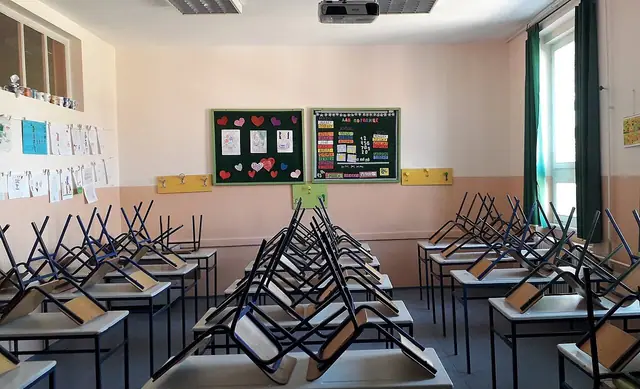 Classroom Noise Levels: How to Measure and Reduce Them
Typical classroom noise levels, the ANSI/ASA S12.60 35 dBA background benchmark, how to measure a room with a browser meter, and ways to quiet it.
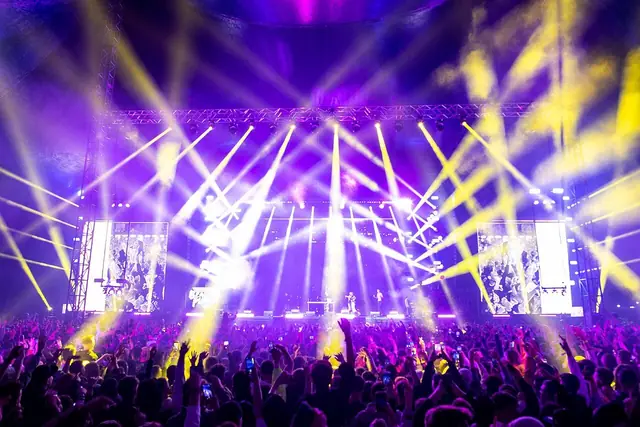 Concert Noise Levels: Measuring the Volume and Protecting Your Ears
How loud concerts and clubs get, the WHO 100 dB LAeq 15-minute venue standard, how to check levels with your phone, and how to protect your hearing.
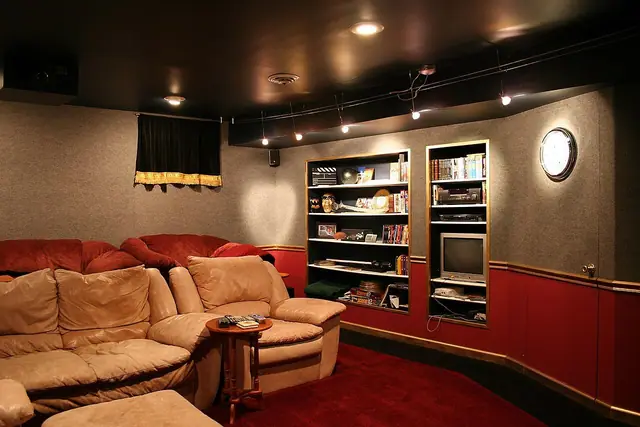 Home Theater Sound Levels: Calibration and Safe Listening
Typical home theater levels, the 85 dB SPL C-weighted pink noise reference for calibration, how to measure with a phone, and how to listen safely.
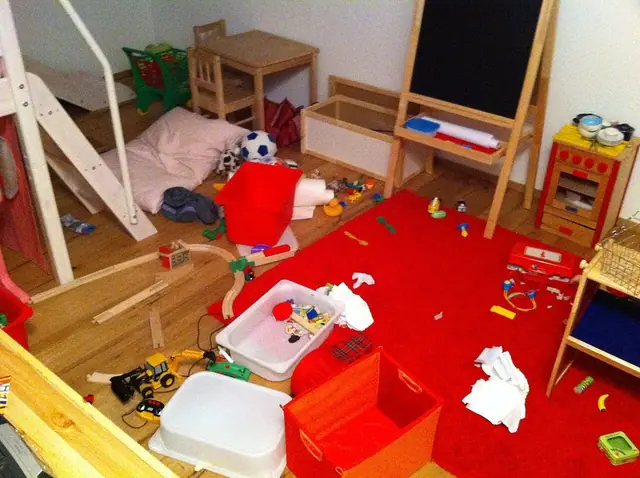 Nursery Noise Levels and Sleep Machine Safety
How loud a nursery should be, what research found about infant sleep machine volume, and how to place and measure a white noise machine safely.
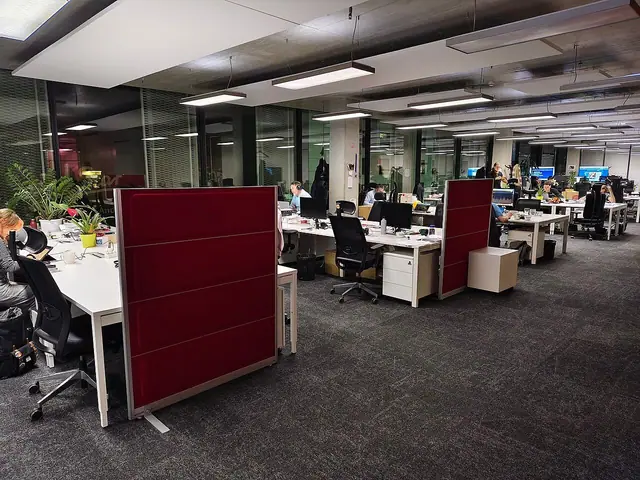 Office Noise Levels: Measuring and Reducing Distraction
Typical office noise levels from quiet rooms to busy open plans, how to measure your desk with a browser meter, benchmarks, and ways to cut distraction.
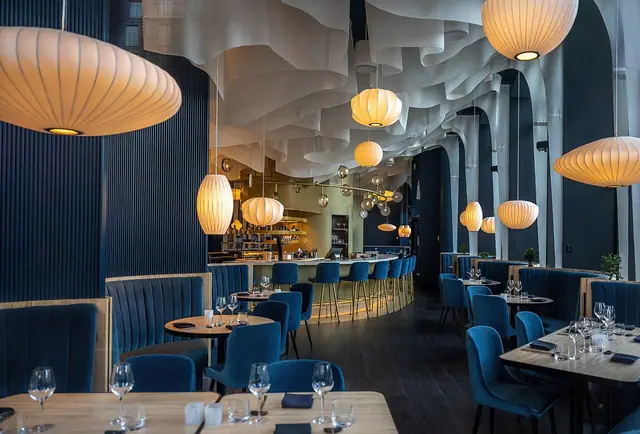 Restaurant Noise Levels: Measuring and Quieting a Dining Room
Approximate restaurant and bar noise levels, how to measure your table with a phone, what benchmarks exist (no US limit), and ways to quiet a room.
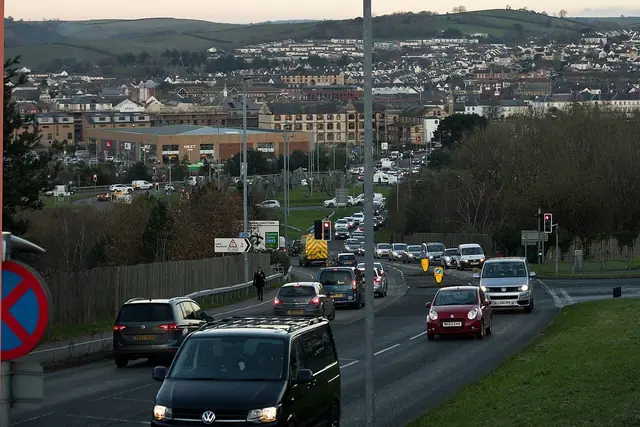 Street Traffic Noise: How to Measure and Reduce Road Noise
Typical road traffic noise levels, how to measure traffic at your window or yard with a phone meter, what EPA and WHO benchmarks say, and how to cut it.
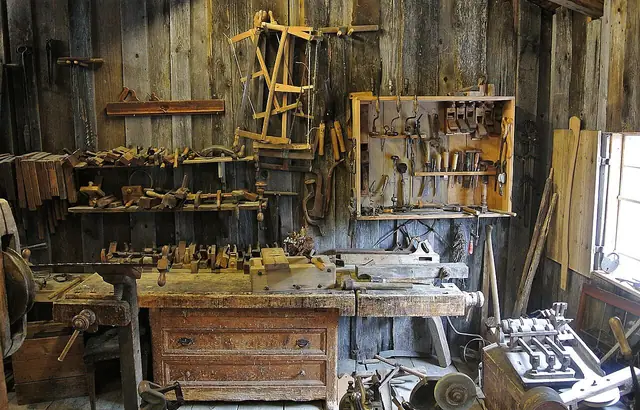 Workshop Noise Levels: Measuring Power Tools and Protecting Hearing
Typical workshop and power tool noise levels, how to measure your shop with a phone, OSHA and NIOSH limits, and practical ways to protect hearing.