Street Traffic Noise: How to Measure and Reduce Road Noise
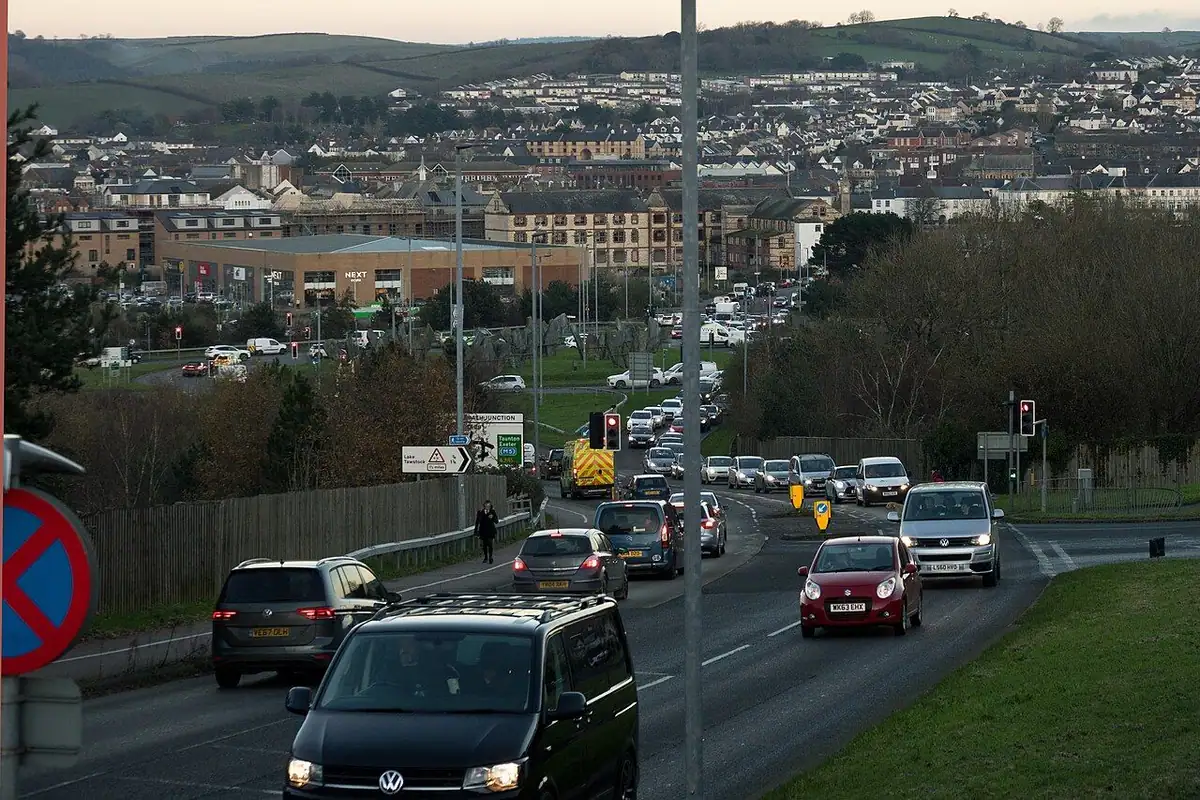
Road traffic is the most widespread source of environmental noise. Near a busy street, levels at the curb often run in the 60s to 70s dBA, with trucks and motorcycles peaking higher. EPA’s 1974 Levels Document identified a day-night average of 55 dB outdoors as protective against annoyance and activity interference, and a 24-hour average of 70 dB to prevent hearing loss. Measuring at your window shows where your home falls.
What levels to expect
Approximate levels, which vary with traffic volume, speed, road surface, and distance:
| Location | Approximate level |
|---|---|
| Quiet residential street, back yard | 45–55 dBA |
| Residential street, at the curb | 55–65 dBA |
| Busy arterial road, at the curb | 65–75 dBA |
| Next to a highway or truck route | 70–80 dBA |
| Indoors, closed windows facing a busy road | Well below the outdoor level; depends mostly on the windows |
Individual events matter too. A loud motorcycle, a horn, or air brakes can rise well above the average for a few seconds.
How to measure with the Reatims meter
- Pick spots that matter: the curb, your front yard, an open bedroom window, and the same room with windows closed.
- Hold the phone at about head height, at least 1 m from walls, mic pointed toward the road. Wind affects readings, so skip windy days or shield the mic with your body.
- Start the sound level meter on Slow response for averages.
- Measure for 10 to 15 minutes at each spot and note the Leq. Check Max for the loudest passing vehicles.
- Repeat at different times: morning rush, midday, evening, and late night. Night readings matter most for sleep.
- Export CSV to keep a log with time stamps.
For a quick idea of how distance changes things, try the distance attenuation calculator. A steady stream of traffic behaves more like a line source, so it falls off more slowly than a single point source.
What the benchmarks say
- EPA Levels Document (1974): Ldn 55 dB outdoors in residential areas to prevent activity interference and annoyance; 45 dB indoors; and a 70 dB 24-hour average to prevent measurable hearing loss over a lifetime. These are long-term averages, not single-event limits.
- WHO Environmental Noise Guidelines for the European Region (2018): WHO Europe recommends lower road-traffic levels, 53 dB Lden and 45 dB Lnight, based on health effects including annoyance and sleep disturbance. WHO describes the recommended levels as applicable beyond Europe.
- FHWA: the Federal Highway Administration oversees noise analysis and abatement, such as noise barriers, for federal-aid highway projects.
Local noise ordinances may also apply to specific vehicles or activities. They vary by city and state.
Practical ways to reduce noise
Windows and openings (biggest gains for most homes)
- Seal gaps around window frames with weatherstripping and acoustic sealant.
- Add interior storm windows or acoustic inserts. A second pane with an air gap helps a lot.
- Replace hollow-core exterior doors and add door sweeps.
- See soundproofing basics for why sealing comes first.
Room layout
- Move the bedroom to the side of the home away from the road, if you can.
- Put closets, bookshelves, or heavy furniture against walls facing the street.
Outdoors
- A solid, continuous fence or wall that blocks the line of sight to the road can reduce noise. Gaps undo much of the benefit.
- Hedges look nice but provide little acoustic benefit unless very deep and dense.
At night
- Close windows facing the street, and consider steady masking sound at a low level.
For more on how night noise affects rest, read noise and sleep.
FAQ
How loud is normal street traffic?
Near a busy road, levels at the curb often sit in the 60s to 70s dBA, with trucks, motorcycles, and horns producing short peaks above that. Levels drop with distance and behind buildings or barriers.
What is Ldn?
Ldn (day-night average sound level) is a 24-hour average that adds a 10 dB penalty to noise between 10 pm and 7 am, because night noise is more disruptive. EPA's 1974 Levels Document used Ldn 55 dB as the outdoor level that protects against activity interference and annoyance.
Can I use phone readings in a complaint about road noise?
They can help you document patterns, such as times of day and peak events, but they are estimates. Formal assessments use calibrated sound level meters and longer measurement periods.