Restaurant Noise Levels: Measuring and Quieting a Dining Room
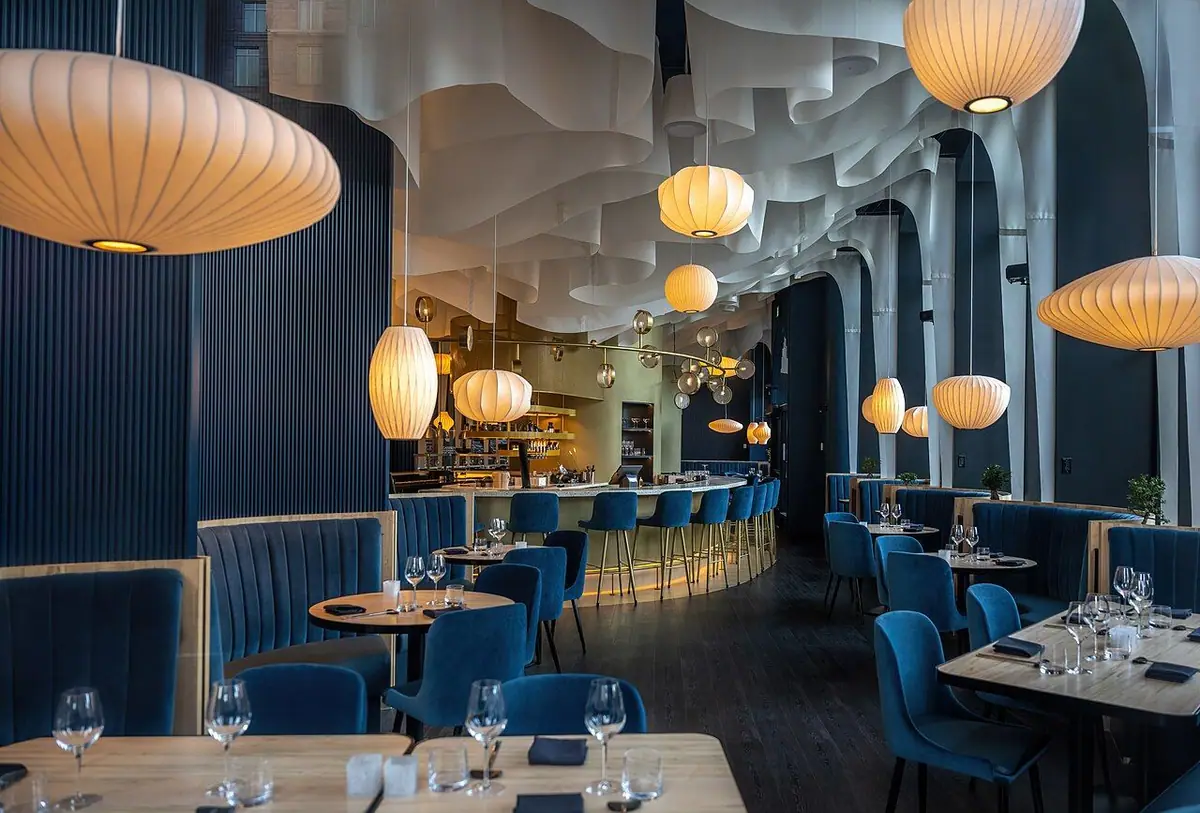
Restaurant noise varies more than almost any other everyday setting. A quiet bistro on a weeknight might sit in the 50s or low 60s dBA, while a busy bar with hard surfaces and music can reach the 80s. There is no US legal limit for dining-room noise, so the practical test is whether you can hold a conversation at normal voice. A meter shows you which tables and times are quietest.
What levels to expect
These are rough, approximate ranges. Published surveys vary, and the same room changes hour by hour.
| Setting | Approximate level |
|---|---|
| Quiet café or fine dining, off-peak | 55–65 dBA |
| Casual restaurant, moderately busy | 65–75 dBA |
| Busy restaurant, hard surfaces, peak hour | 75–85 dBA |
| Bar or brewpub with amplified music | 80 dBA and above |
As a rule of thumb, if you have to raise your voice to be understood across a table, the room is loud enough to make conversation tiring.
How to measure with the Reatims meter
- Place the phone flat on the table, mic uncovered, away from plates and glasses you might bump.
- Start the sound level meter on Slow response.
- Measure for 5 to 10 minutes and note the Leq. Short spikes from dropped cutlery or laughter will show in Max, but they don’t represent the room.
- Note the time and how full the room is. A reading at 6 pm and at 8 pm can be very different.
- Try a different table near a wall, corner, or booth, away from the kitchen, bar, and speakers.
Be discreet, and don’t record conversations. Reatims doesn’t record or upload audio. It turns the microphone signal into a level number in your browser.
What the benchmarks say
There is no restaurant-specific US standard. Useful reference points:
- EPA Levels Document (1974): identified 45 dB indoors as the level that avoids activity interference and annoyance. Restaurants are naturally louder, but that figure shows what “quiet” means.
- WHO Guidelines for Community Noise (1999): discusses how background noise interferes with speech communication, which is the core problem in loud dining rooms.
- Hearing risk: NIDCD notes that sounds at or below 70 dBA are unlikely to cause hearing loss, while long or repeated exposure at or above 85 dBA can. For diners, a single meal is rarely a hearing hazard. Staff on long shifts in loud venues face more exposure; see OSHA workplace noise rules.
Practical ways to reduce noise
For diners
- Ask for a booth, a corner, or a table away from the kitchen, bar, and speakers.
- Go off-peak. Early evening and weekdays are often quieter.
- Check a few readings and keep a note of quieter places you like.
For owners and managers
- Absorb sound. Acoustic ceiling panels, fabric wall panels, upholstered seating, curtains, and tablecloths all cut reverberation. In most loud rooms, the ceiling is the biggest opportunity.
- Break up the space. Booths, partitions, and plants reduce how far sound carries.
- Manage music. Keep background music low enough that it doesn’t push guests to raise their voices, and turn it down as the room fills.
- Isolate the kitchen and bar with doors, partitions, or quieter equipment.
- Measure at peak times before and after changes. See soundproofing basics for the difference between absorbing echo and blocking sound.
To compare your readings with other places, see the noise levels chart.
General information, not medical advice.
FAQ
Is there a legal noise limit for restaurants in the US?
No federal limit applies to diners. Some local noise ordinances limit sound that leaves a property, and OSHA rules cover employees' exposure, but nothing sets a dining-room level for customers.
Why are some restaurants so loud?
Hard surfaces such as concrete, glass, metal, and bare tables reflect sound, so voices build up. As the room gets louder, people talk louder to be heard, which pushes the level up further.
Can restaurant noise hurt your hearing?
A single dinner usually doesn't, but staff working long shifts in very loud venues and bars with amplified music may be at risk. NIDCD notes that long or repeated exposure at or above 85 dBA can cause hearing loss.