Classroom Noise Levels: How to Measure and Reduce Them
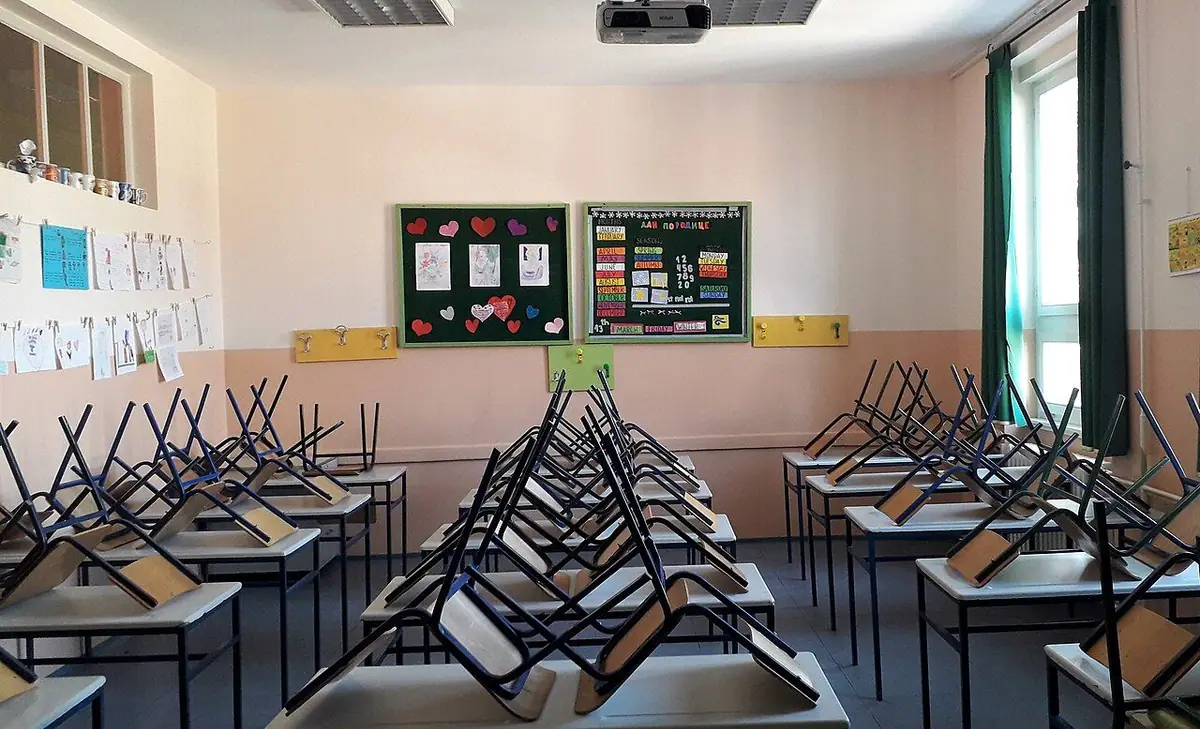
Classrooms have two noise problems: background noise from ventilation, lights, and the outdoors, and activity noise from the people in the room. Good acoustics keep the first low and stop the second from echoing. The US benchmark, ANSI/ASA S12.60, sets an unoccupied background of no more than 35 dBA, with reverberation around 0.6 seconds.
What levels to expect
These are approximate ranges for typical rooms. Your room may differ.
| Condition | Approximate level |
|---|---|
| Empty room, HVAC off, quiet site | 30–40 dBA |
| Empty room, HVAC running | 35–50 dBA |
| Quiet individual work | 45–55 dBA |
| Teacher speaking, room listening | 55–65 dBA |
| Group work or busy activity | 65–75 dBA |
The gap between background noise and the teacher’s voice is what matters for listening. If the background is high, speech becomes harder to follow, especially at the back of the room.
How to measure with the Reatims meter
- Calibrate first if you can. See how to calibrate a phone sound meter.
- Background test: with the room empty, doors and windows closed, and ventilation running as it normally does, place the phone on a desk in the middle of the room, mic facing up. Start the sound level meter, switch to Slow response, and record for at least 2 to 3 minutes.
- Read Leq, not Max. The Leq (average) is the number to compare with the 35 dBA benchmark. The Max shows short events such as a door slam or a hallway bell.
- Repeat at the back of the room and near the HVAC outlet to find hot spots.
- Occupied test: run the meter during a normal lesson for 10 to 15 minutes and note the Leq. Fast response shows quick peaks, but use Leq for comparison.
Very quiet rooms may sit near the microphone’s noise floor, so a phone reading in the low 30s may be the limit of the phone rather than the room.
What the benchmarks say
ANSI/ASA S12.60 (Acoustical Performance Criteria, Design Requirements, and Guidelines for Schools) covers core learning spaces:
- Background noise: 35 dBA maximum in unoccupied rooms
- Reverberation time: about 0.6 s for typical-size classrooms, longer allowed in larger rooms
The Acoustical Society of America publishes free booklets that explain the standard, including a companion for architects.
For context, EPA’s 1974 Levels Document identified 45 dB as the indoor level that protects against activity interference in schools and homes. The WHO Guidelines for Community Noise (1999) also addressed schools, focusing on speech intelligibility. S12.60 is stricter than both because learning depends heavily on hearing speech clearly.
Practical ways to reduce noise
Lower background noise
- Ask facilities to check HVAC units, diffusers, and fan speeds; noisy units are a common cause of high background levels.
- Replace buzzing light ballasts.
- Seal gaps around doors and windows facing corridors or roads. Our soundproofing basics guide explains why seals matter.
Control reverberation
- Add acoustic ceiling tiles, wall panels on the upper walls, or soft pinboards.
- Rugs, curtains, and fabric surfaces absorb sound.
- Felt pads on chair and desk legs cut scraping noise.
Manage activity noise
- Use a visual noise display or traffic-light system so the class can see when it’s getting loud.
- Separate loud and quiet activities in time or space.
- Position the teacher’s main speaking spot away from noisy equipment.
To compare your readings with familiar sounds, see the noise levels chart.
FAQ
How loud should an empty classroom be?
ANSI/ASA S12.60 sets a maximum of 35 dBA for background noise in an unoccupied core learning space, mostly from HVAC, lighting, and outside sources. Many existing classrooms are louder than that.
What is reverberation time and why does it matter?
Reverberation time (RT60) is how long sound takes to fade by 60 dB after the source stops. Long reverberation smears speech together, and S12.60 calls for about 0.6 seconds in typical-size classrooms.
Can I use a phone to check classroom noise?
Yes, for a rough survey. A calibrated browser or app meter can show whether background noise is near 35 dBA or well above it, but formal compliance testing needs a Class 1 or Class 2 meter.